Star Tracker
A celestial reference device that tells a spacecraft where it is pointing.
A star tracker is a celestial reference device that recognizes star patterns, such as constellations, and determines the orientation of a spacecraft very accurately.
We developed a fully autonomous Lost-In-Space (LIS) star tracker algorithm in collaboration with the TÜBİTAK UZAY Space Technologies Research Institute. Aurvis consults on the software side of the tracker and develops a prototype for star detection and tracking together with TÜBİTAK UZAY.
Star identification
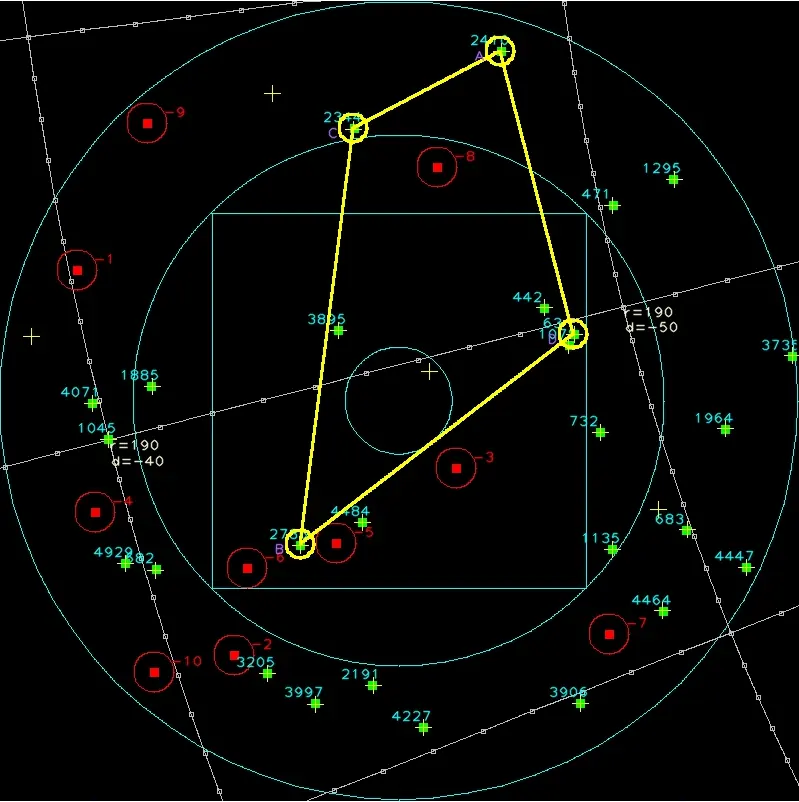
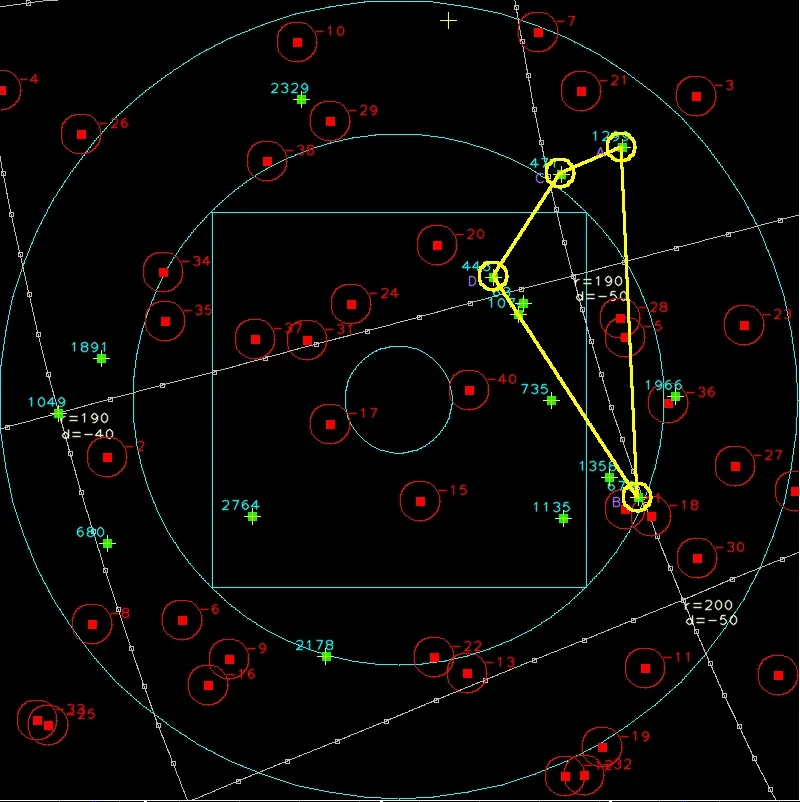
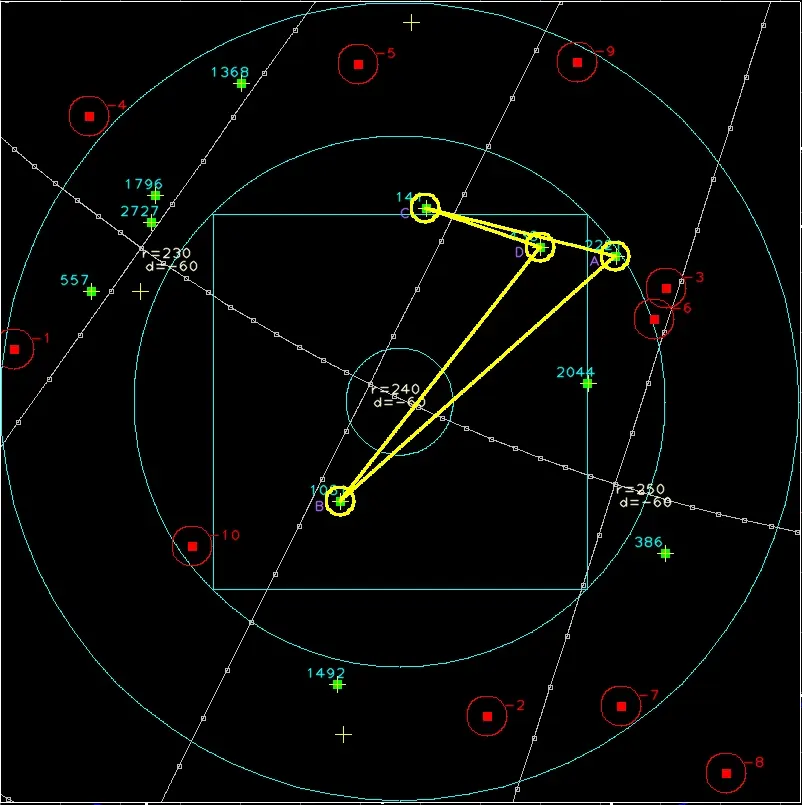
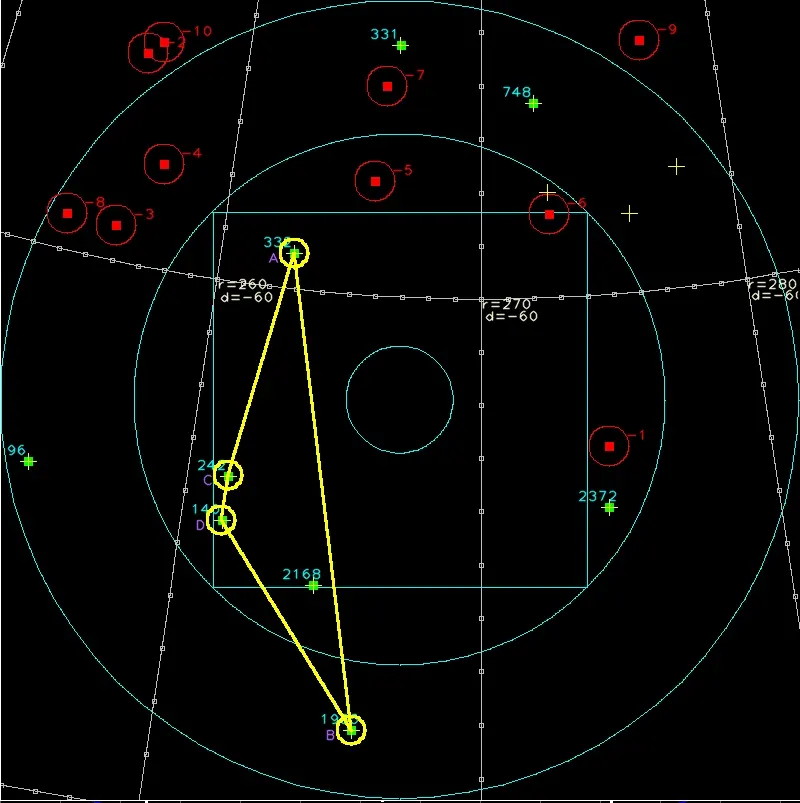
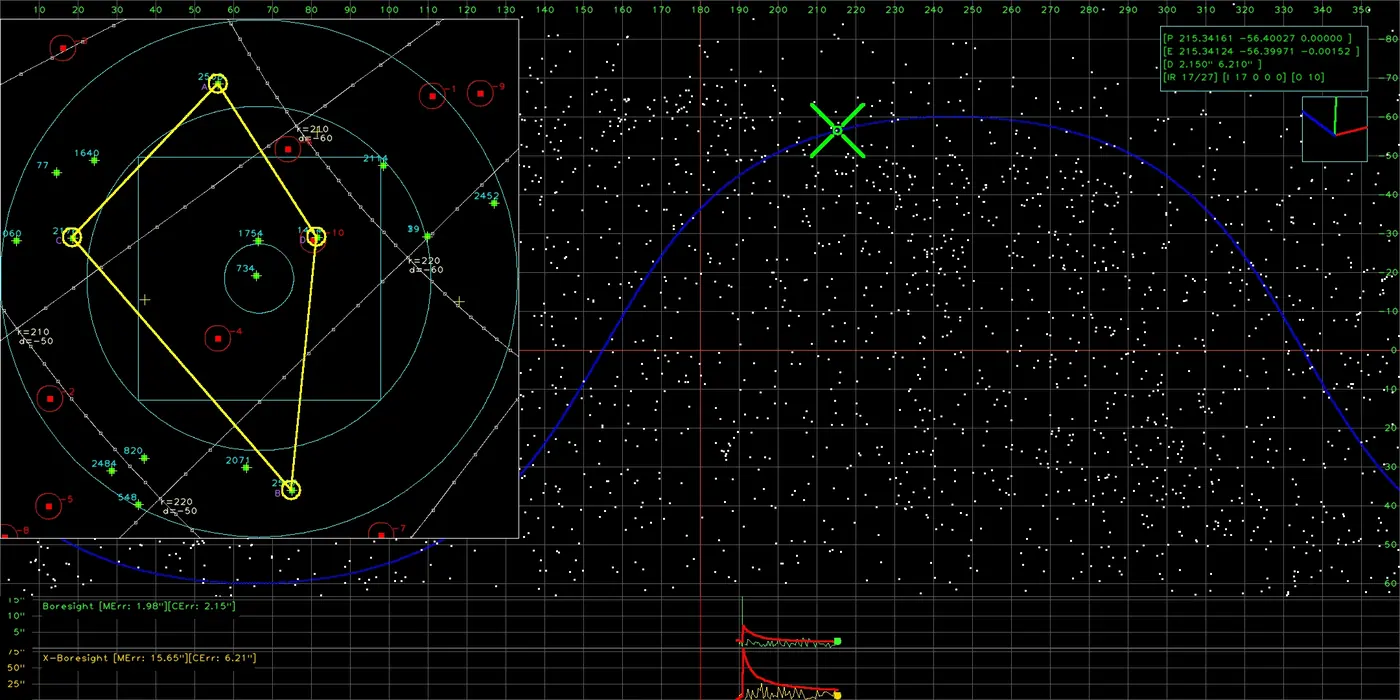
Our method autonomously detects which stars are visible in an astronomical image and estimates the image's orientation with respect to the Earth-centered reference frame. It is robust to centroiding errors, to false detections caused by particle impacts during solar flares, and to real stars that go undetected.
Simulation
A simulated frame with false stars (red) and the detected identifying constellation (yellow quadrangle). The celestial sphere, the satellite's true orbit (blue), the detected position (green cross), and the boresight and cross-boresight errors are also shown.
 Click to play · Vimeo
Simulation results
Star identification and attitude determination under different parameters